All Categories
Featured
Table of Contents
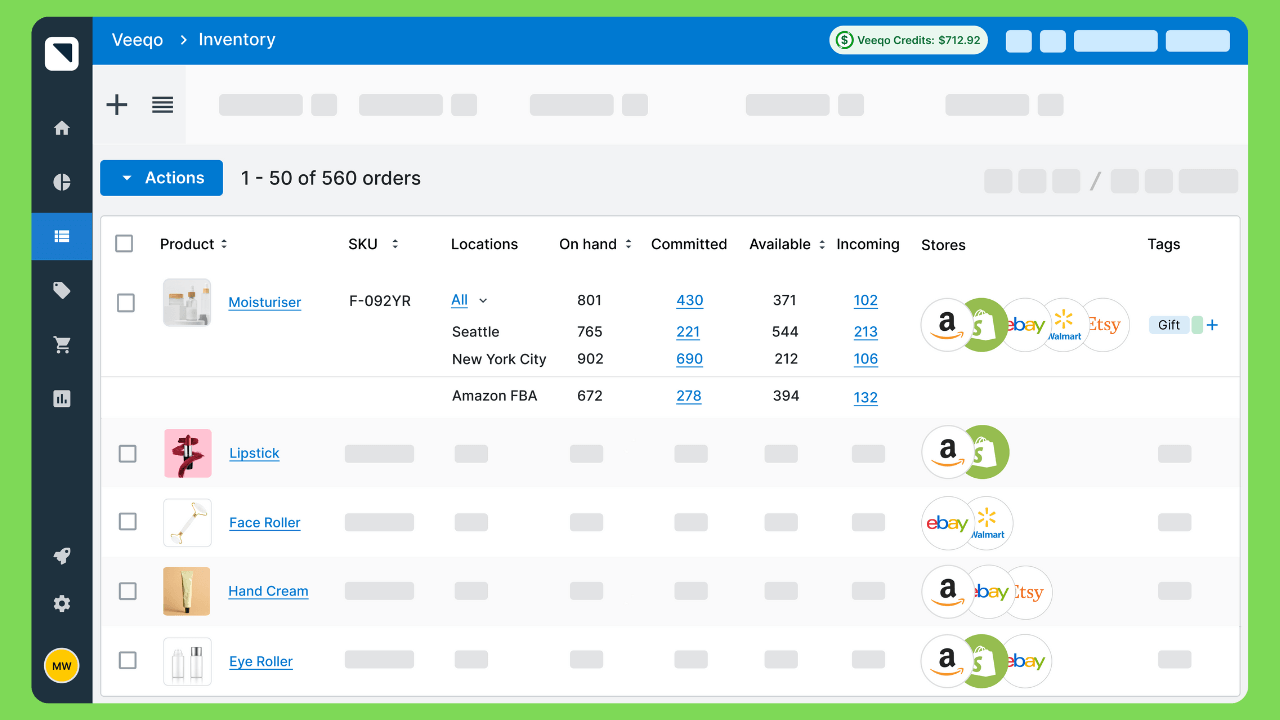
Stock management software application helps businesses keep precise track of stock and automate important functions, such as reordering and circulation. Advanced stock management applications also help with forecasting so that retailers can predict demand, prevent needing to discount, and enhance client service and fulfillment. 1.: Stock management software enhances customer care by assisting ensure that sellers keep products in stock.
2.: Inventory management applications help services branch into new retail channels by letting them leverage current inventory across those channels. This practice helps merchants fulfill online orders without annoying consumers with stockouts, and it assists guide choices about discounting or using products through the seller's discount-branded stores. 3.: Just put, you can't sell what you do not know you have.
Modern Retail Accounting Best Practices for Growth4.: Overselling happens when a merchant offers more products online than it has in stock, leading to a stockout that frustrates consumers, damages its brand name, and costs it sales. Overselling is normally the outcome of slow data synchronization between inventory systems and digital stores. 5.: Inventory management software won't forget an important milestone in the retail calendar or let stocks fall listed below the reorder point.
How to Manage Modern Store Inventory Levels
: Merchants with multiple physical places or ecommerce activities can use retail management software application to shift items in between distribution centers, bringing goods more detailed to where they're in high demandor where storage is readily available or less expensiveso it's then possible to deliver products faster and cost successfully to regional shops.

: Stock management software application helps decrease extreme orders due to poor forecasting or warehouse distribution, and it minimizes redundant processes that increase labor expenses. 8.: Inventory management applications assist merchants maintain proper stocks of goods across different selling seasons. 9.: Inventory management applications assist automate rote jobs, lowering the variety of steps workers need to require to finish such tasks while releasing them to focus more on making higher-level decisions.
: By identifying appropriate inventory levels through ABC analyses and other analytic methods, inventory management software helps make sure sellers don't acquire more stock than required. 11.: Inventory management applications help sellers comprehend which goods are being purchased, how and where they're being kept, and how much it costs to store, transportation, ship, disperse, and merchandise them.
Essential Accounting Tips for Small Retail Success
: Stock management applications assist handle the inflows and outflows of items provided for sale, helping retail magnate manage suppliers and decrease back orders, extreme shipping expenses arising from a lot of rush orders, and missed out on opportunities for selling goods in high need. They likewise improve the accuracy with which essential efficiency signs are measured.
STORIS is a perpetual stock system meaning that all status modifications and movement of inventory within the system are immediately upgraded in real-time. Continuous retail stock software application empowers sellers to act upon service technique utilizing timely info. When using a perpetual inventory system, retails can accomplish optimal control over margin, cost of items, and shrink.
Instant gain access to, no charge card, no danger.
Grocers use a mix of historical information and experience to guarantee that they have enough items in demand. At a more granular level, consider the following best practices: Grocers know that evaluating weekly data is helpful in managing the stock of numerous items, especially packaged staples and nonperishable goods. Evaluating day-level information is very important in managing stocks of perishables.
Grocers that do not use that granularity of information analysis can lose on sales due to the fact that of stockouts; alternatively, they can suffer an undue quantity of wasting by over-ordering. Grocers appropriately put a lot of focus on handling their inventories of fresh or disposable items, however they likewise must pay attention to their stocks of ambient items (those that can be maintained at space temperature level).
Top Accounting Tips for Modern Small Business Growth
Grocers can enhance performance by scheduling deliveries and restocking of ambient goods for specific weekdays, which also streamlines workforce management and lowers the chances that stockers will obstruct of shoppers. Grocers tend to put the earliest perishable goods at the front of the rack, however consumers frequently reach behind for the fresher items.
Techniques can include weekly "supervisor's specials" or utilizing the older but still completely great items in higher-turnover store-made goods, such as salads and ready meals. Grocers use data analytics, consisting of simulations that take client habits into account, to reduce putridity. This can assist prevent the popular "reach into the back for the freshest container of milk" phenomenon, and it's crucial to preserving margins.
A mix of analytic simulations and sensors has made it possible for food sellers to lower food loss by 40% and lower energy expenses by 30%, according to a 2021 research study by the World Economic Forum. Ultra-fresh products, such as store-prepared salads and sandwiches, in addition to highly disposable items, such as seafood and ground meats, are typically a key differentiator for grocery retailers.

Latest Posts
Manual Versus Automated Stock Control
Lowering Retail Operational Costs for Increase ROI
Meeting Updated Business Loan Criteria in 2026