All Categories
Featured
Table of Contents
Source: Released is a cloud-based solution that lets you track stock in real-time across multiple areas. You can set minimum and maximum stock levels and receive sales informs telling you which orders require to be fulfilled. You can set up batch and serial number tracking, and there's a mobile app for Android and iOS.
Predictive Cash Flow Secrets for Savvy Merchants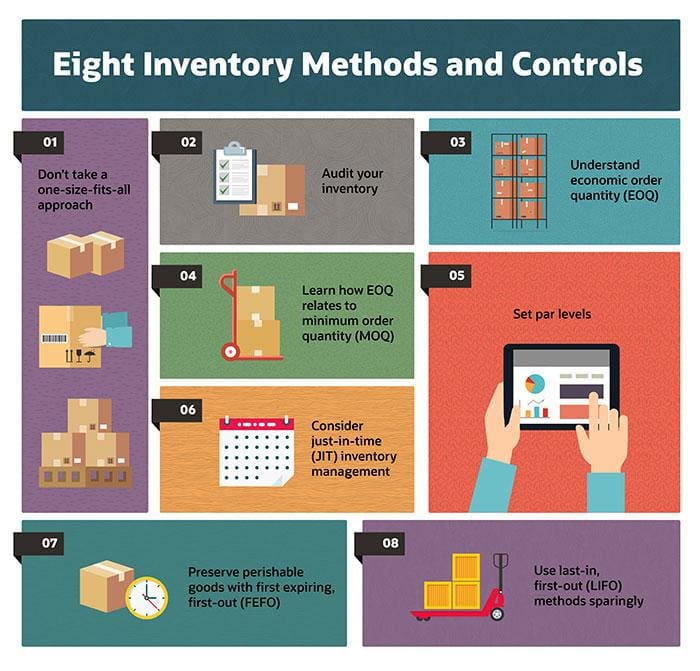
There's no innovative reporting, integrated stock preparation, versatile fulfillment workflows, or POS or WMS ability. Another disadvantage is that you can just use the typical landed expenses methodology, not FIFO/LIFO. Rather a couple of features are paywalled, such as modules for B2B e-commerce, business intelligence, and shipping. You also pay extra for a client success strategy (that's included with Brightpearl) and obligatory remote onboarding plans.
If you're searching for all the functions of an innovative inventory management system, Brightpearl provides you whatever you need. Thanks to the fantastic integration partner environment and APIs, you can create a tech stack that scales as you grow. As total presence and accurate forecasts, Brightpearl automates complex order processing and fulfillment workflows to save you time and cash.

They'll guarantee that you and your personnel are fully trained before your account goes live, and you likewise get a Customer Success Manager plus unlimited phone and e-mail assistance as standard. The goal of inventory management is to ensure there suffices stock to meet demand while keeping overheads and labor expenses low.
Reliable inventory management gives you enhanced forecasting capabilities and supplier relationships, and assists you enhance storage facilities to minimize wasting. Inventory software application is vital for excellent inventory management, so use the tools of inventory management to your advantage! Instead of spreadsheets, invest in a cloud-based system (like Brightpearl) that keeps all your information in a main center, syncs your channels, and updates inventory levels immediately.
New 2026 Business Loan Requirements Updated
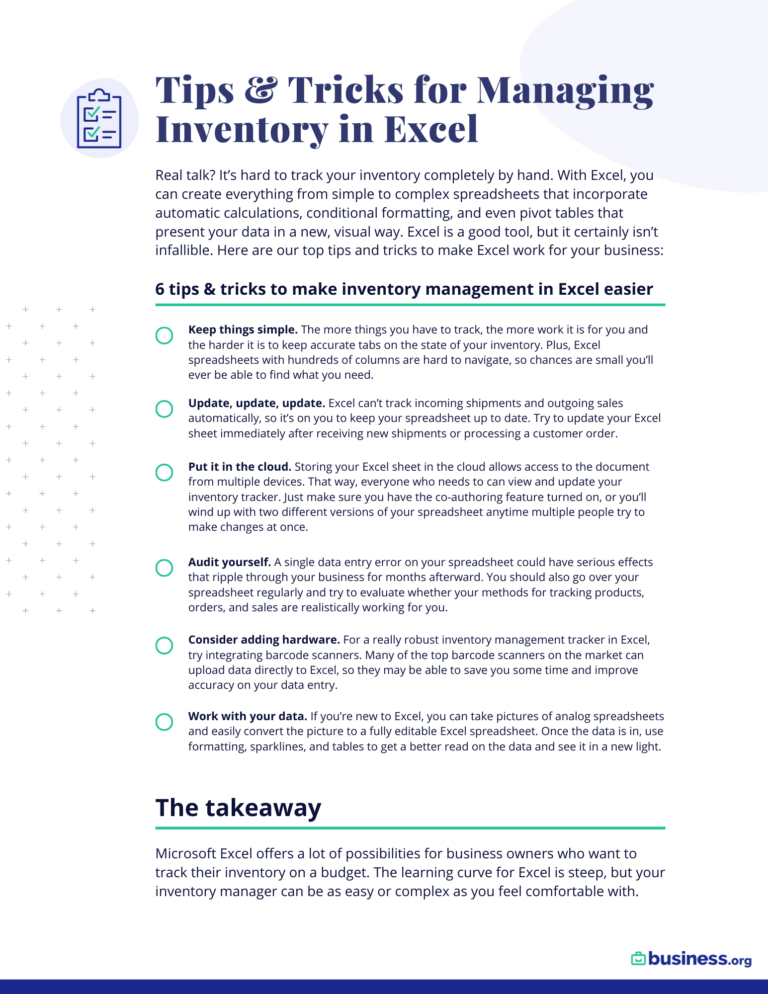
Inventory management involves tracking your stock as it moves through your company. It's essential that you can trace any item at any offered time, numerous services use barcode or RFID scanning to get in SKUs into the system. It should then upgrade whenever goods are offered, delivered, or returned.
That way, you'll constantly have the correct amount of stock in the right location at the right timewhich will keep clients satisfied and improve your bottom line. Usage automation, maintain precise records, do routine cycle counts, projection demand, and develop strong provider relationships.
Stock can include raw materials, elements, and finished products all set for sale. Inventory management is the procedure of managing and monitoring this stock in the most efficient way possible so that you constantly have the best amount in the right location at the correct time. It has to do with knowing how much is required and when to buy it, and monitoring everything across multiple places and sales channels.
When ordering brand-new stock for your storage facility, you must intend to purchase the financial order amount (EOQ). Technically, the meaning of stock management covers the period between stock arriving from a provider and being delivered to a customerthat is, the time when it's in your warehouse or store.
Maximizing Staff Scheduling to Improve ROI
Let's clear up the meaning of inventory management and stock control. Stock control, order management, supply chain management, and storage facility management can all be covered by inventory management.
Bigger centers will have a specific receiving location where stock items are checked and arranged before being put away. (stock-keeping unit) code, which is gotten in into your inventory management system.
Whether you're selling online or through a physical shop, your system must immediately update stock levels whenever a product is purchased (and if it's returned). All of these stages can be performed more efficiently with an effectively handled process flow so that everyone understands what's supposed to happen and when.
Stock can include basic materials, elements, and finished products prepared for sale. Stock management is the process of managing and monitoring this stock in the most effective method possible so that you constantly have the correct amount in the ideal place at the correct time. It's about understanding how much is needed and when to order it, and tracking whatever across numerous places and sales channels.
Streamlining Store Operations to Ensure Financial Sustainability
When buying brand-new inventory for your warehouse, you need to intend to order the financial order amount (EOQ). Technically, the meaning of stock management covers the duration between stock getting here from a provider and being shipped to a customerthat is, the time when it's in your storage facility or store.
Let's clear up the meaning of stock management and inventory control. The terms are frequently used interchangeably, however stock management has a much wider scope. Inventory control, order management, supply chain management, and warehouse management can all be covered by stock management. Source: The process begins when you put an order with a supplier, although you may state it starts even earlier when you use forecasting to forecast the required order quantity.
Predictive Cash Flow Secrets for Savvy MerchantsLarger facilities will have a particular getting location where stock products are checked and sorted before being put away. (stock-keeping system) code, which is gotten in into your inventory management system.
How to Optimize Store Inventory Levels
Whether you're offering online or through a physical shop, your system ought to immediately upgrade stock levels whenever a product is bought (and if it's returned). All of these phases can be carried out more effectively with a properly handled procedure circulation so that everyone knows what's expected to occur and when.

Latest Posts
Manual Versus Automated Stock Control
Lowering Retail Operational Costs for Increase ROI
Meeting Updated Business Loan Criteria in 2026