All Categories
Featured
Table of Contents
Automation is a game-changer in bookkeeping software application, permitting small company owners to conserve time and decrease errors. Automated functions can include transaction classification, invoice generation, cost tracking, and bank feed synchronization. By getting rid of manual information entry, automation guarantees that monetary records stay as much as date with very little effort. Advanced accounting services can also supply AI-driven insights, assisting businesses make data-driven financial choices with higher accuracy and efficiency, while making sure that human domain experts are associated with the backend, making sure that the data is precise.
This process includes comparing tape-recorded transactions with bank statements to recognize disparities, missing out on payments, or unauthorized charges. Automated reconciliation tools can speed up this process by connecting directly to bank accounts and flagging inconsistencies, assisting entrepreneur maintain financial precision, avoid scams, and prevent costly errors. Comprehensive monetary reporting is vital for understanding business efficiency and making informed decisions.
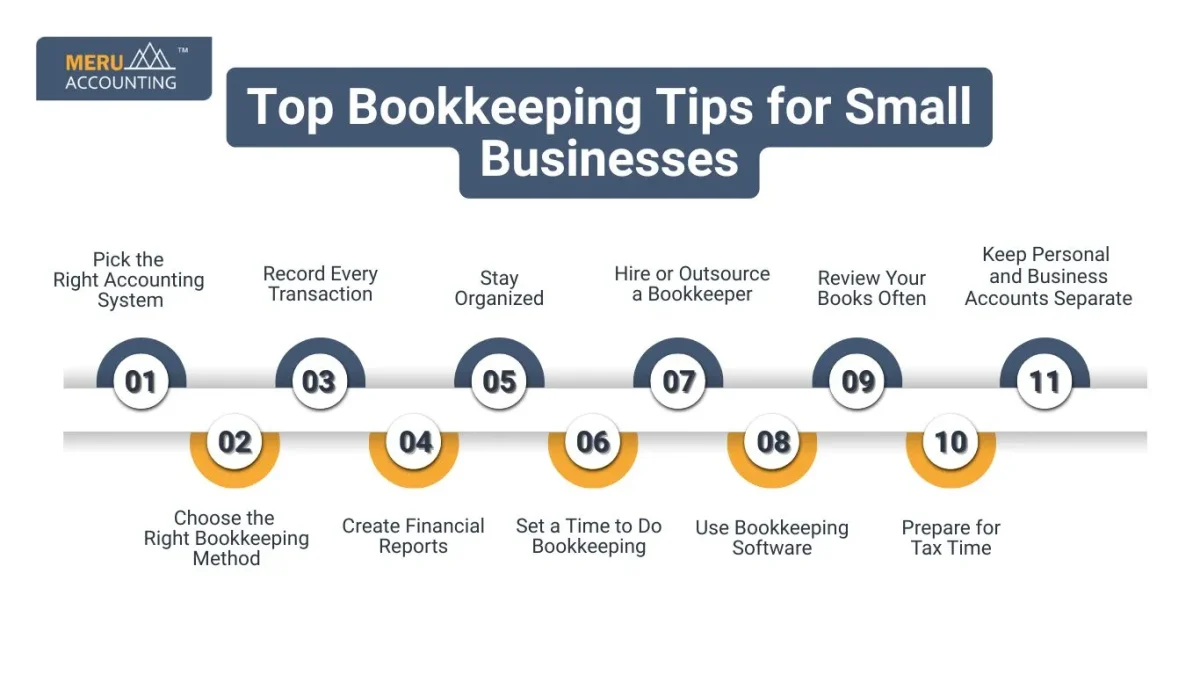
These reports offer insights into revenue patterns, expense patterns, and general monetary health. The finest bookkeeping tools permit for report customization, making it possible for company owner to focus on crucial metrics pertinent to their industry and functional requirements. Seamless integration with payment processors ensures that incoming and outbound transactions are accurately recorded in the bookkeeping system.
This function is especially essential for ecommerce businesses, where transactions happen throughout numerous platforms, making automated tracking essential for handling capital and monetary reporting. While lots of small company owners start by managing their books alone, there comes a point when contracting out ends up being a smarter option. Working with an accountant is necessary when bookkeeping jobs start taking excessive time away from running business, monetary records become too complicated to manage properly, or tax compliance becomes an issue.
The expense of bookkeeping services varies depending on factors such as the intricacy of monetary deals and the scope of work. Little services can anticipate to pay anywhere from $300 to $400 per month for basic bookkeeping services. Cloud-based bookkeeping options that combine software with expert accounting services, such as Finaloop, offer a cost-effective option to hiring a traditional accountant.
Ensuring Financial Sustainability in Modern Storefronts
Entrepreneur ought to search for a bookkeeper with experience in their market, efficiency in bookkeeping software, and a strong understanding of tax regulations and financial reporting. While both bookkeepers and accountants deal with monetary information, their functions vary significantly. A bookkeeper is accountable for recording day-to-day financial transactions, managing invoices, tracking expenses, and reconciling accounts.
An accountant, on the other hand, interprets financial information, prepares financial declarations, analyzes service efficiency, and offers tactical monetary suggestions. Accounting professionals likewise deal with tax planning and compliance, ensuring businesses satisfy legal requirements. Stopping working to keep invoices and proper monetary records can make it challenging to track expenses and justify reductions throughout tax season.
To avoid this mistake, businesses need to carry out a system for keeping receipts digitally or physically, utilizing accounting software or apps to scan and categorize costs for simple recommendation. Among the most typical bookkeeping errors is mixing individual and company finances. Using an individual bank account or credit card for business purchases makes it harder to track overhead, complicates tax reporting, and increases the risk of mistakes.
Ensuring Long-Term Sustainability for Today's Storefronts
Regular bank reconciliation ensures that a company's financial records accurately show real-world deals. Stopping working to fix up bank and credit card declarations can lead to unnoticed errors, missing payments, or fraudulent transactions slipping through unnoticed. By comparing accounting records with bank statements on a weekly or month-to-month basis, service owners can catch inconsistencies early, correct mistakes, and keep monetary precision.
To prevent this, services must estimate their tax commitments throughout the year and reserve a percentage of their earnings in a different tax savings account. Utilizing bookkeeping software application or talking to a specialist can likewise assist guarantee accurate tax preparation and compliance. Little costs, such as office materials or coffee meetings, might appear insignificant, however they can add up in time and effect general profitability.
To keep an accurate image of overhead, little service owners need to tape every deal, no matter how small, and categorize them appropriately. Accounting software application with automated tracking functions can help ensure that even the tiniest costs are represented. Effective bookkeeping is essential for the monetary health and long-term success of any small company.
We have actually checked out key bookkeeping jobs, the benefits of automation, common mistakes to avoid, and when it may be time to contract out bookkeeping altogether. Staying organized and proactive with bookkeeping can help small companies prevent monetary tension and expensive errors. By keeping precise records, fixing up accounts routinely, and preparing ahead for taxes, entrepreneur can make better monetary decisions and stay certified with tax laws.

Latest Posts
Manual Versus Automated Stock Control
Lowering Retail Operational Costs for Increase ROI
Meeting Updated Business Loan Criteria in 2026